Home Author
Author

NextRiddle

two subtle differences are hidden in plain sight. Can you spot them?

The Puzzle That Tests Sharp Eyes

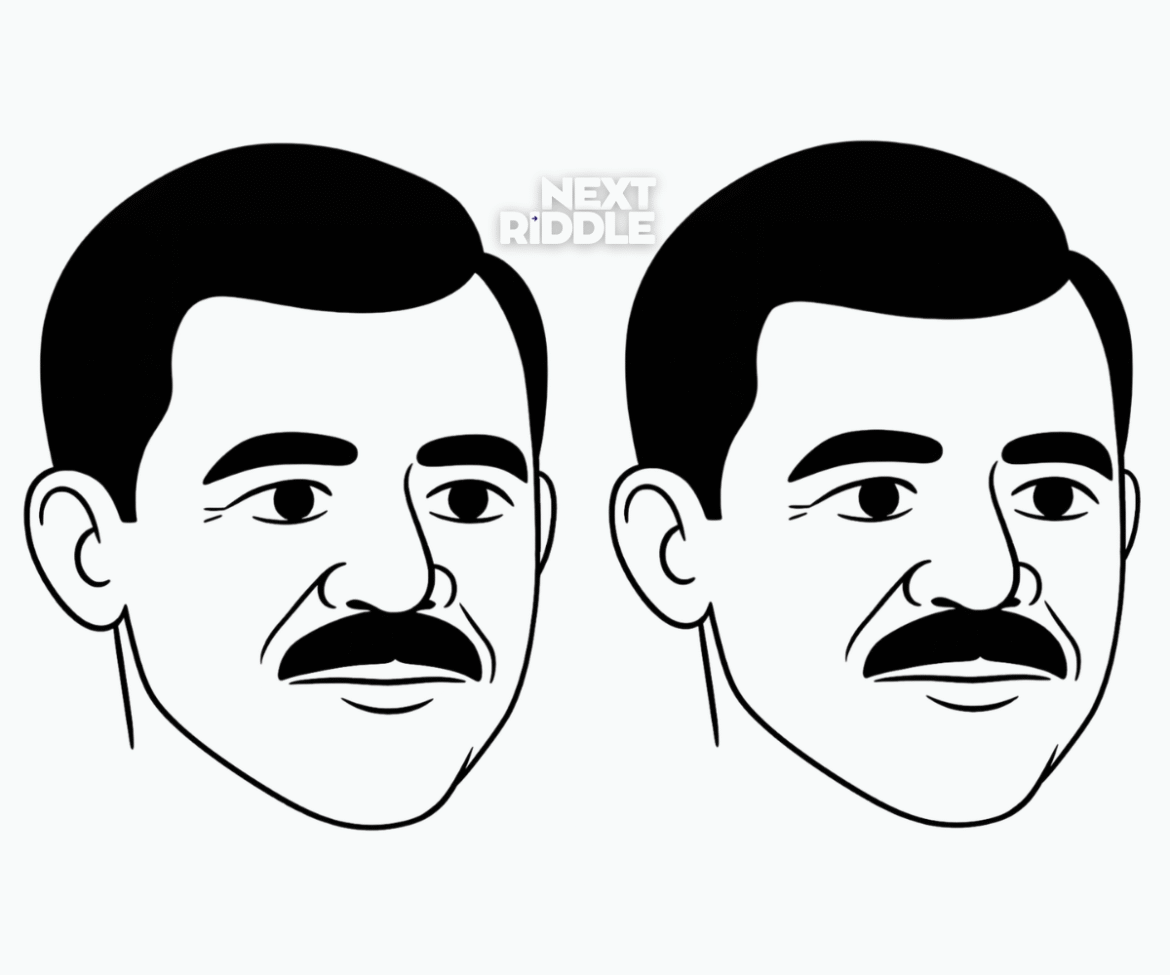
At first glance, the two faces in this image look identical. The same hair, the same mustache, the same expression. It seems impossible that anything could be different. But appearances can be deceiving.

Hidden in plain sight are two small differences that are easy to miss if you’re not paying close attention. Most people glance quickly, assume the pictures are the same, and move on. But if you slow down, observe carefully, and scan every detail, the differences begin to reveal themselves.


Why Spot-the-Difference Puzzles Are So Addictive

Spot-the-difference puzzles like this one aren’t just fun—they’re a test of patience, focus, and observation.

  • The First Glance Effect: Your brain wants to process the image quickly. Once it recognizes a face, it tells you both are the same.
  • The Detail Trap: Tiny changes like a fuller line of hair or a slightly different ear shape hide within features we don’t usually question.
  • The Reward Factor: The “aha moment” when you finally find the differences feels satisfying because your brain has conquered its own assumptions.
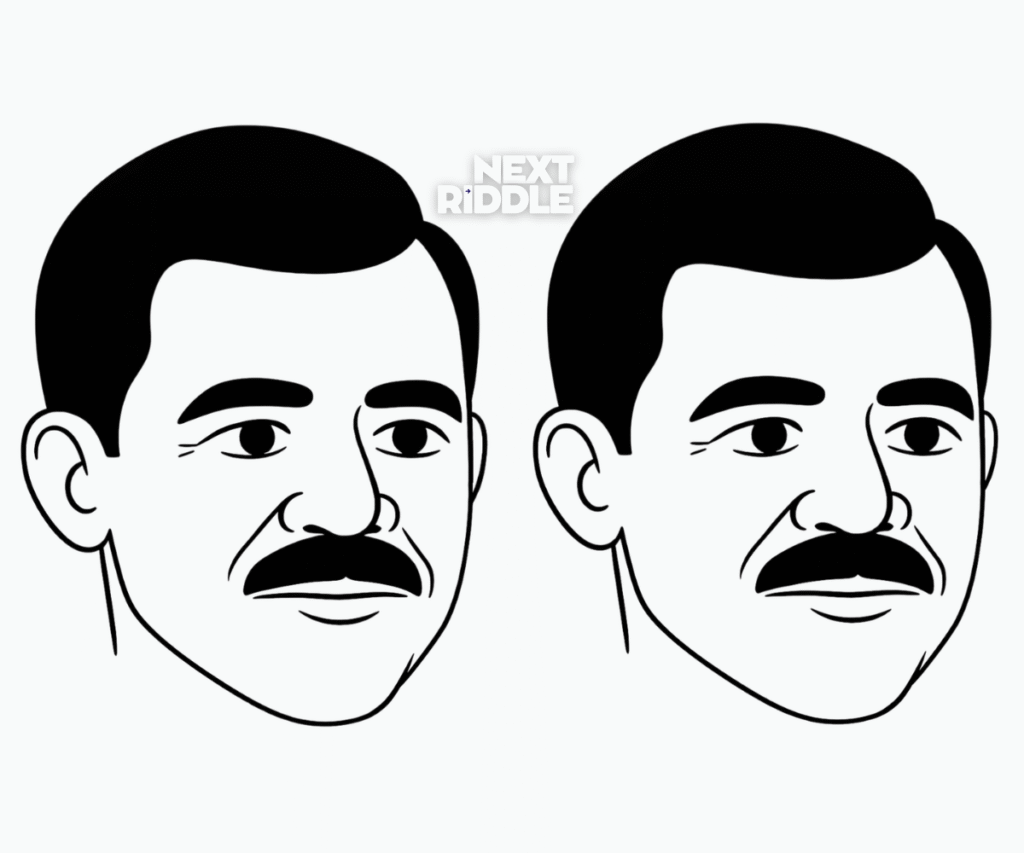
two subtle differences are hidden in plain sight. Can you spot them?

These puzzles work because they challenge how we really see, forcing us to go beyond surface impressions.


Tips for Solving Puzzles Like This

  1. Compare section by section. Look at the hair, eyes, ears, nose, mouth one by one instead of trying to see the whole face at once.
  2. Check symmetry. Our brains expect faces to be uniform, so small changes hide more easily.
  3. Look for thicker lines. Often, puzzles change the thickness, fullness, or shape of a feature to trick your eye.

The Challenge

So, can you spot the two differences between the two faces? Take a closer look before scrolling further. Remember: the changes are small but clear once you know where to look.


The Solution: Two Hidden Differences

After careful comparison, here are the two differences that separate the faces:

  1. The Hairline – On the right face, the hair is fuller, with a slightly different outline compared to the left face.
  2. The Ear – The right face has a noticeably larger ear, which is easy to overlook until you directly compare them.
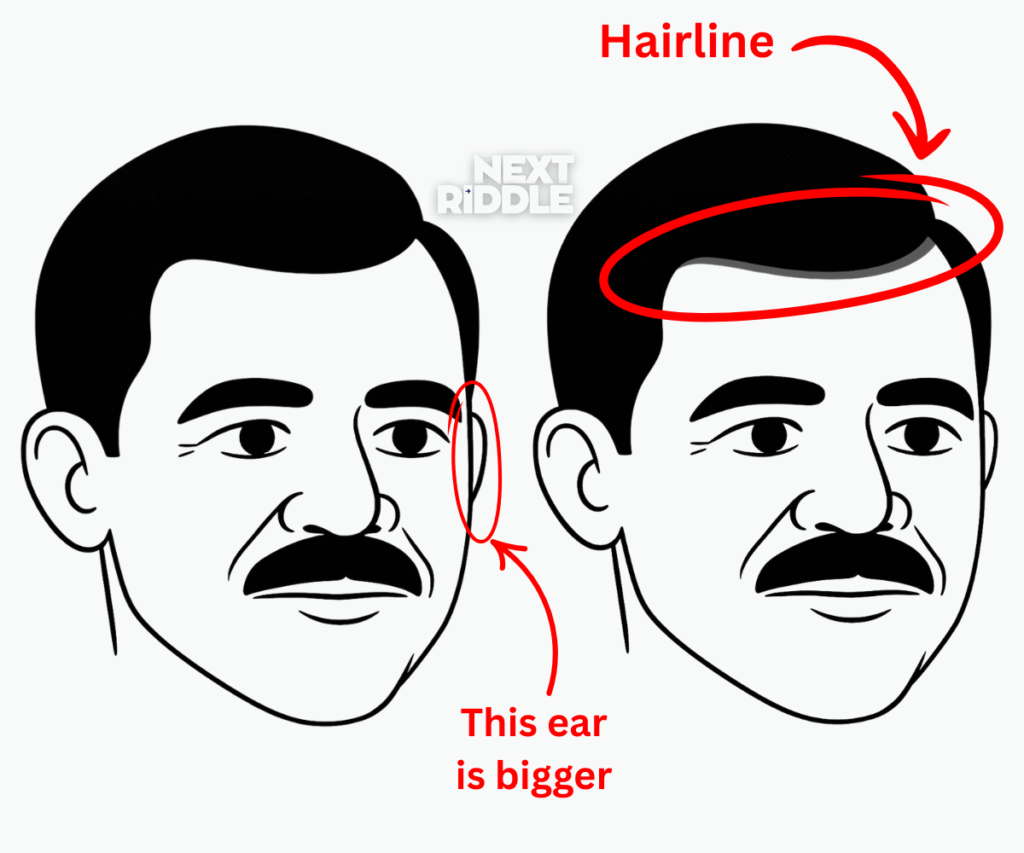
At first glance, these faces look identical — but two subtle differences are hidden in plain sight. Can you spot them?

These two subtle adjustments are enough to trick most people. If you spotted them on your own, congratulations—you’ve got sharp eyes!


Conclusion

This puzzle shows how small changes can hide in plain sight. By training yourself to slow down and observe carefully, you not only solve puzzles faster but also sharpen your focus in everyday life. Next time you think two things look identical, take a second look—you might be surprised by what you find.
79 views
0 FacebookTwitterPinterestEmail
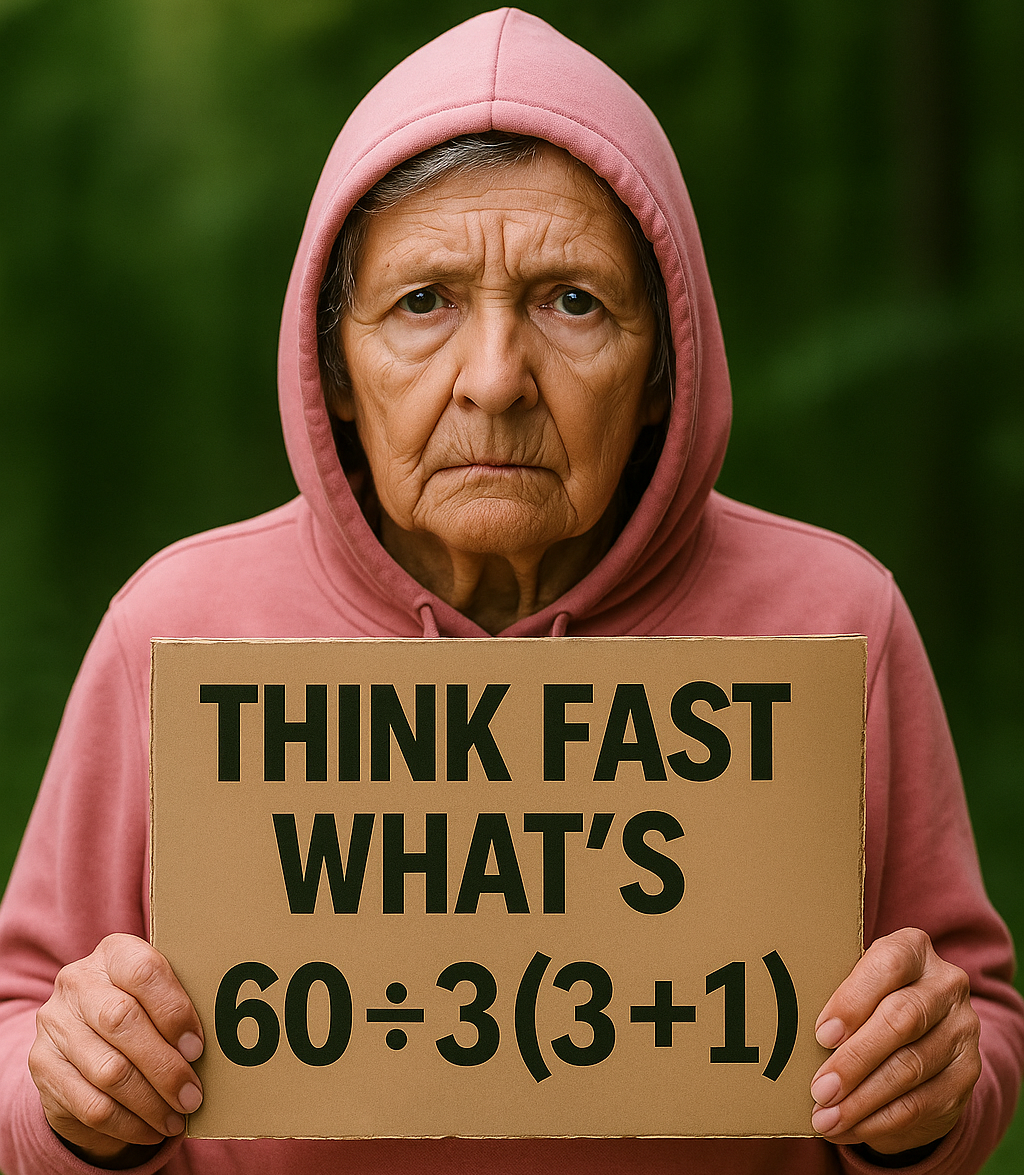
Only Sharp Minds Will Solve This Equation

Equation: 60 ÷ 3(3 + 1)


Can You Solve This Faster Than Most People?

At first glance, this equation looks simple—just a division and some parentheses. But don’t be fooled. The way it’s written creates confusion about the order of operations and how to handle the implicit multiplication next to the parentheses.

This puzzle has gone viral many times because different people follow different mental shortcuts, and those shortcuts often lead to wrong answers. Let’s break it down carefully.


Why This Problem Is Confusing

  1. The parentheses (3 + 1) make people instinctively want to deal with them first—which is correct.
  2. But after that, many forget that division and multiplication are equal in priority. They’re handled from left to right, not by choosing one first.
  3. The “3(3+1)” looks like it might carry special weight because the multiplication is “implied,” but mathematically it doesn’t outrank division.

This is where most people slip.


Common Wrong Answers (and Why People Get Them)

❌ Wrong Answer: 5

  • How people get it: They first simplify the parentheses → (3 + 1) = 4.
    Then they treat 3 × 4 = 12 as a “unit” and divide: 60÷12=560 ÷ 12 = 560÷12=5.
  • Why it’s wrong: Division and multiplication must be solved left to right. You can’t give the multiplication priority just because it touches parentheses.

❌ Wrong Answer: 20

  • How people get it: They stop halfway.
    60÷3=2060 ÷ 3 = 2060÷3=20 and then forget about the × (3 + 1).
  • Why it’s wrong: The expression isn’t complete—multiplication with the 4 still needs to be done.

❌ Wrong Answer: 24

  • How people get it: After calculating 60÷3=2060 ÷ 3 = 2060÷3=20, some mistakenly add the parentheses result instead of multiplying:
    20+4=2420 + 4 = 2420+4=24.
  • Why it’s wrong: This mixes operations incorrectly. The problem clearly states multiplication, not addition.

❌ Wrong Answer: 5 (Fraction Misread)

  • How people get it: Some rewrite it mentally as a single fraction:
    603(3+1)=6012=5\frac{60}{3(3+1)} = \frac{60}{12} = 53(3+1)60​=1260​=5.
  • Why it’s wrong: If that’s what was intended, it should be written as:
    60÷[3(3+1)]60 ÷ [3(3+1)]60÷[3(3+1)]. As written, the expression is solved step by step, left to right.

The Step-by-Step Correct Answer

Now let’s solve it properly using order of operations (PEMDAS/BODMAS):

  1. Parentheses first:
    3+1=43 + 1 = 43+1=4 Expression becomes:
    60÷3×460 ÷ 3 × 460÷3×4
  2. Division and multiplication are equal priority. Work left to right:
    • First: 60÷3=2060 ÷ 3 = 2060÷3=20
    • Then: 20×4=8020 × 4 = 8020×4=80

✅ Correct Answer: 80


Final Takeaway

This puzzle proves how much small details matter in math. The tricky part is not the arithmetic itself—it’s knowing that multiplication and division must be handled in order, from left to right, not based on how the equation “looks.”

That’s why so many people end up with 5, 20, or 24. But the only mathematically correct result is:

👉 80

150 views
0 FacebookTwitterPinterestEmail
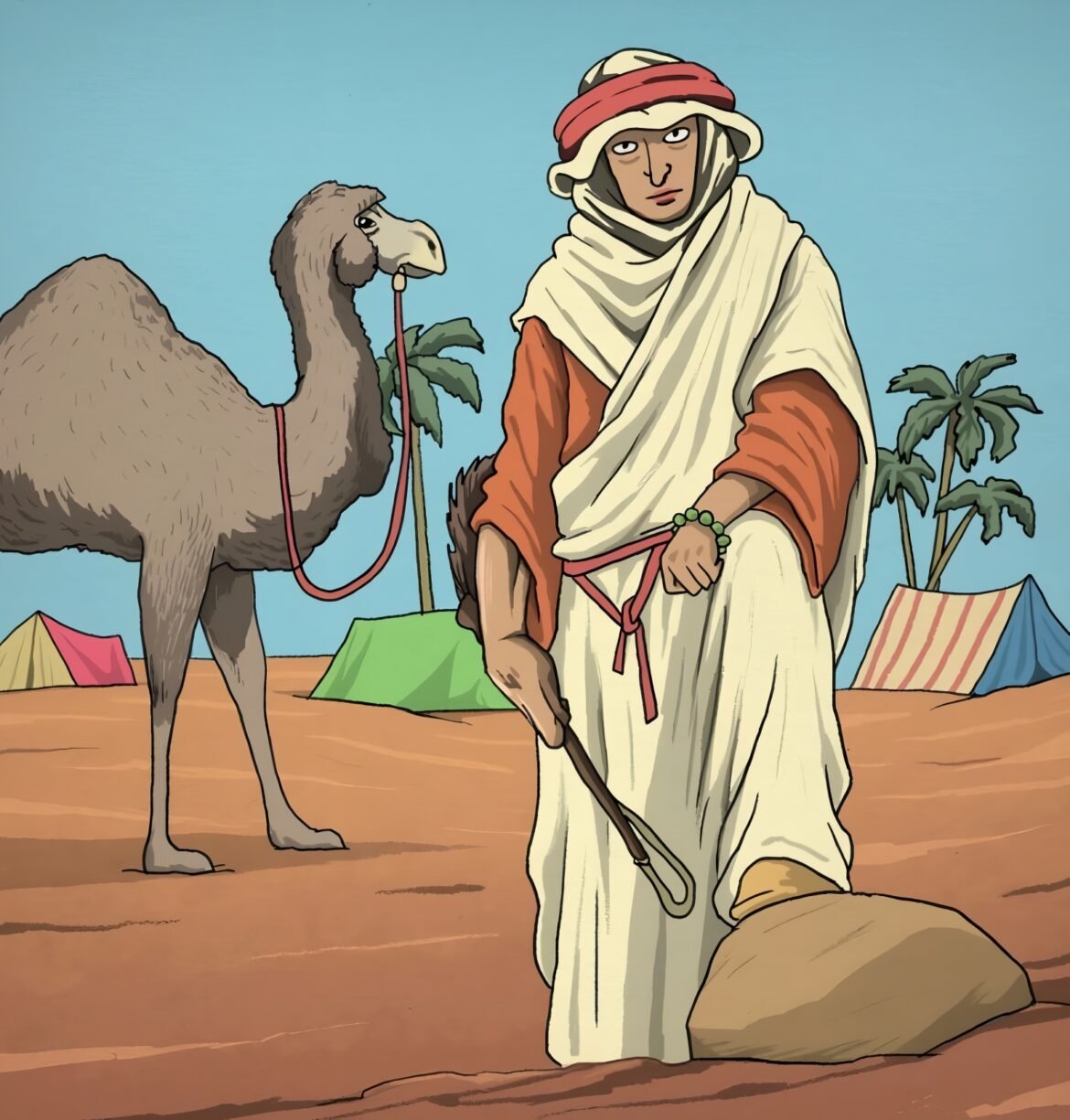
Can You Spot the Hidden Horse in This Puzzle?

A Puzzle That Blends Art and Illusion

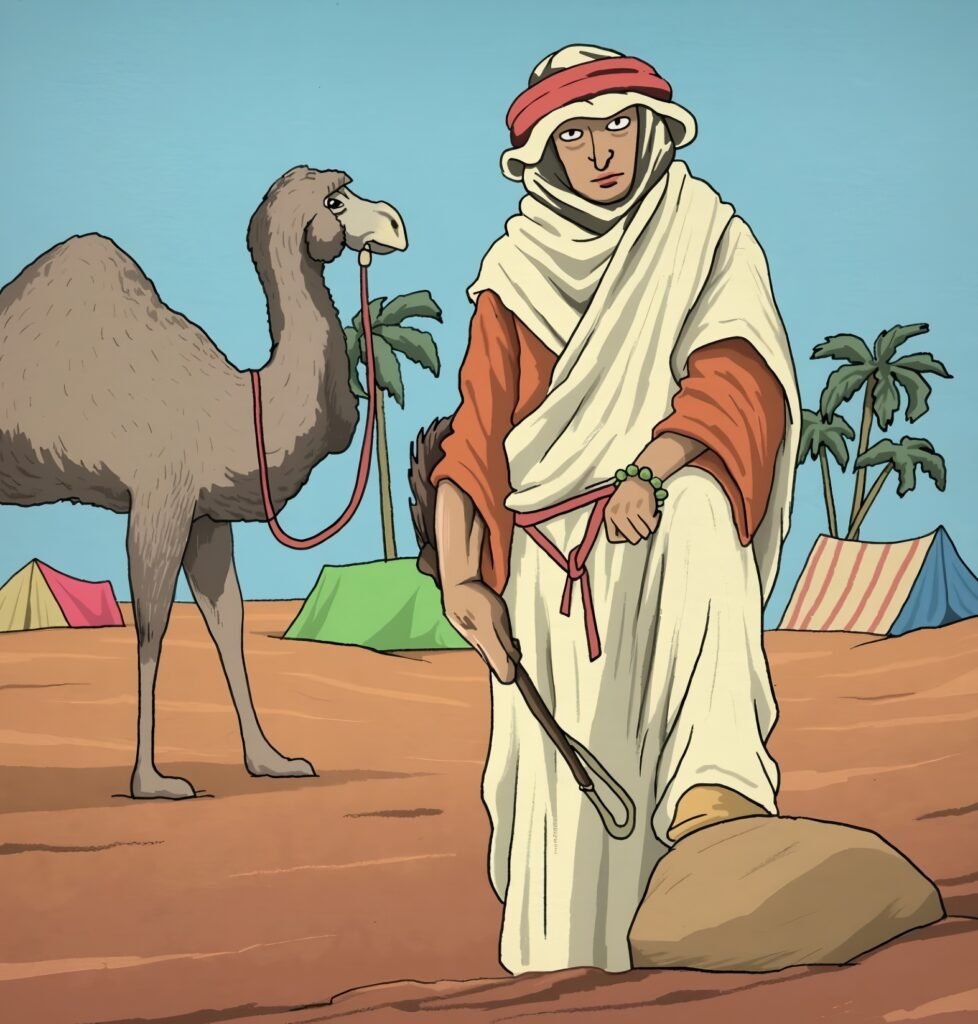
Not all puzzles are about numbers or riddles. Sometimes, the challenge lies in what you can or cannot see. At first glance, the scene before us looks like a simple desert setting: a man in traditional clothing stands with his camel, while colorful tents and palm trees decorate the horizon. It feels ordinary, calm, and straightforward.

But appearances can be deceiving. Hidden within this illustration is another figure—a horse—cleverly woven into the folds and lines of the artwork. The challenge is simple in theory but tricky in practice: can you find the hidden horse in this picture?


Why Our Eyes Get Fooled

The human brain is wired to recognize patterns quickly. When we look at a picture, we tend to identify familiar objects—the camel, the man, the tents—while ignoring what doesn’t immediately stand out. This tendency helps us process information fast in everyday life, but in puzzles like this, it works against us.

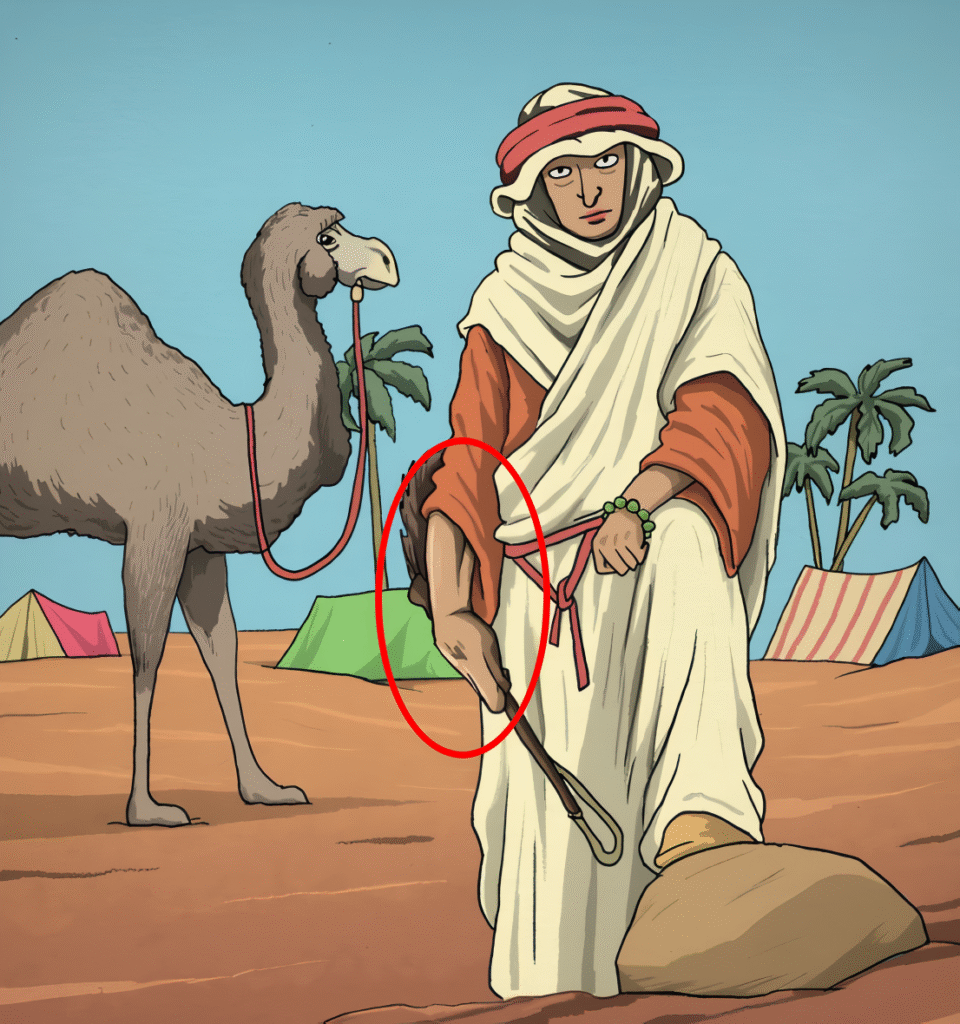
The hidden horse is not immediately visible because the artist has disguised it within elements we already “understand.” Instead of drawing a separate, clear horse, the artist used lines, shadows, and shapes from the man’s robe and arm to create its outline. The brain sees “clothing” first and stops searching, unless you force yourself to look deeper.


The Art of Misdirection

What makes this illustration so clever is how the artist deliberately pulls your attention elsewhere.

Can You Spot the Hidden Horse in This Puzzle?
  • The camel on the left is a natural focal point—it’s large, it’s detailed, and it feels like the main animal in the scene.
  • The traveler’s face and red headscarf are drawn with bold contrast, further anchoring your gaze.
  • The desert tents and palm trees in the background create movement and balance, distracting you from looking too closely at the center.

By giving the eye so many obvious things to examine, the horse becomes nearly invisible, despite being right in front of you.


The Hidden Image Challenge

Hidden object puzzles like this one are a perfect example of how art can test more than just eyesight. They demand patience, concentration, and the willingness to see things differently. What looks like a crease in fabric might actually be part of a mane. What seems like a shadow might actually form an outline.

This type of challenge encourages us to question assumptions: is everything really what it first appears to be? Or is there more hiding in plain sight?


Why We Love Hidden Object Puzzles

There’s a reason puzzles like this remain popular across generations:

  1. The thrill of discovery – The “aha!” moment when you finally spot the horse is a reward in itself.
  2. Universal accessibility – Unlike math riddles or word games, anyone can attempt this puzzle. All you need is focus and a sharp eye.
  3. Timeless appeal – Hidden object art transcends language and culture. Whether you’re in New York, Cairo, or Tokyo, you can understand the challenge instantly.

In many ways, puzzles like this are about slowing down. In our fast-paced lives, we rarely take the time to study something carefully. This artwork forces us to pause, scan, and really look at what’s in front of us.


The Conclusion: The Hidden Horse Revealed

So where exactly is the horse hiding? The answer lies in the traveler’s robe and arm. Look closely at his right side (to the left from our perspective): the folds of the robe form the curve of the horse’s neck, while the man’s arm doubles as its mane. Just below, the fabric and shading create the horse’s muzzle, completing the outline.

Can You Spot the Hidden Horse in This Puzzle?

It’s been there the entire time, cleverly disguised in plain sight.

If you spotted it on your own, you can count yourself among the sharpest observers. If not, don’t worry—most people miss it at first. That’s what makes puzzles like this so fascinating: they remind us that even the simplest scenes can hold secrets, waiting to be discovered by those who dare to look twice.

99 views
0 FacebookTwitterPinterestEmail

Puzzles have a unique way of making us stop, think, and often argue with our friends. Some of the most popular brain teasers are the “How many triangles?” challenges. At first glance, they look simple. But as soon as you start counting, you realize the problem is trickier than it seems.

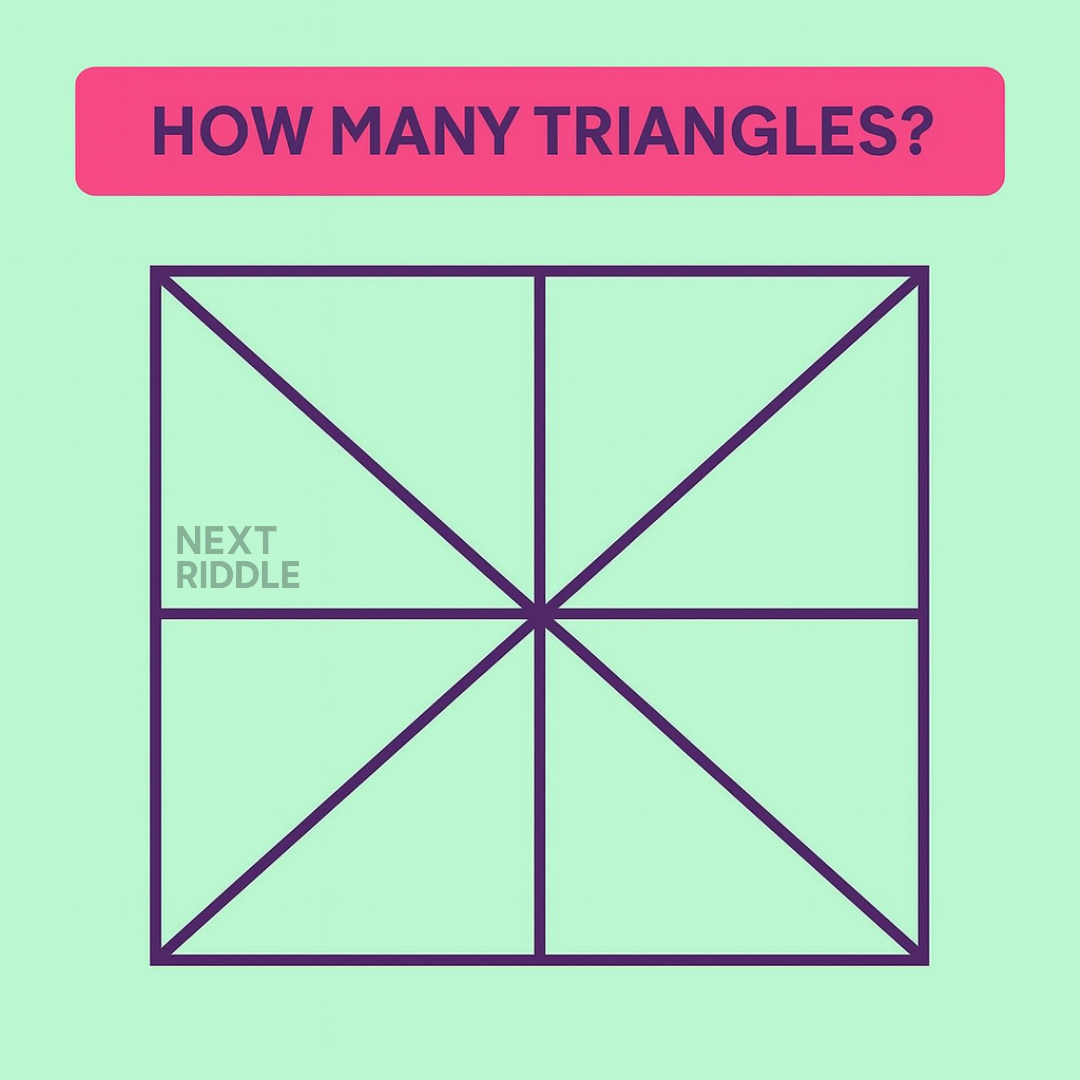
One of the most shared versions of this puzzle involves a square, intersecting lines, and a single question:

👉 “How many triangles can you find?”

Most people give a quick answer, but very few get it right the first time. Let’s walk through the solution step by step.


Why We Struggle With Triangle Puzzles

Our eyes naturally focus on the smallest, most obvious shapes. Once we find a handful of triangles, we feel satisfied and stop searching. The challenge, however, lies in spotting the hidden combinations: when two or more small triangles merge into medium or large ones.

That’s why these puzzles are more than just math — they’re about patience, observation, and careful attention to detail.


Step 1: Counting the Small Triangles

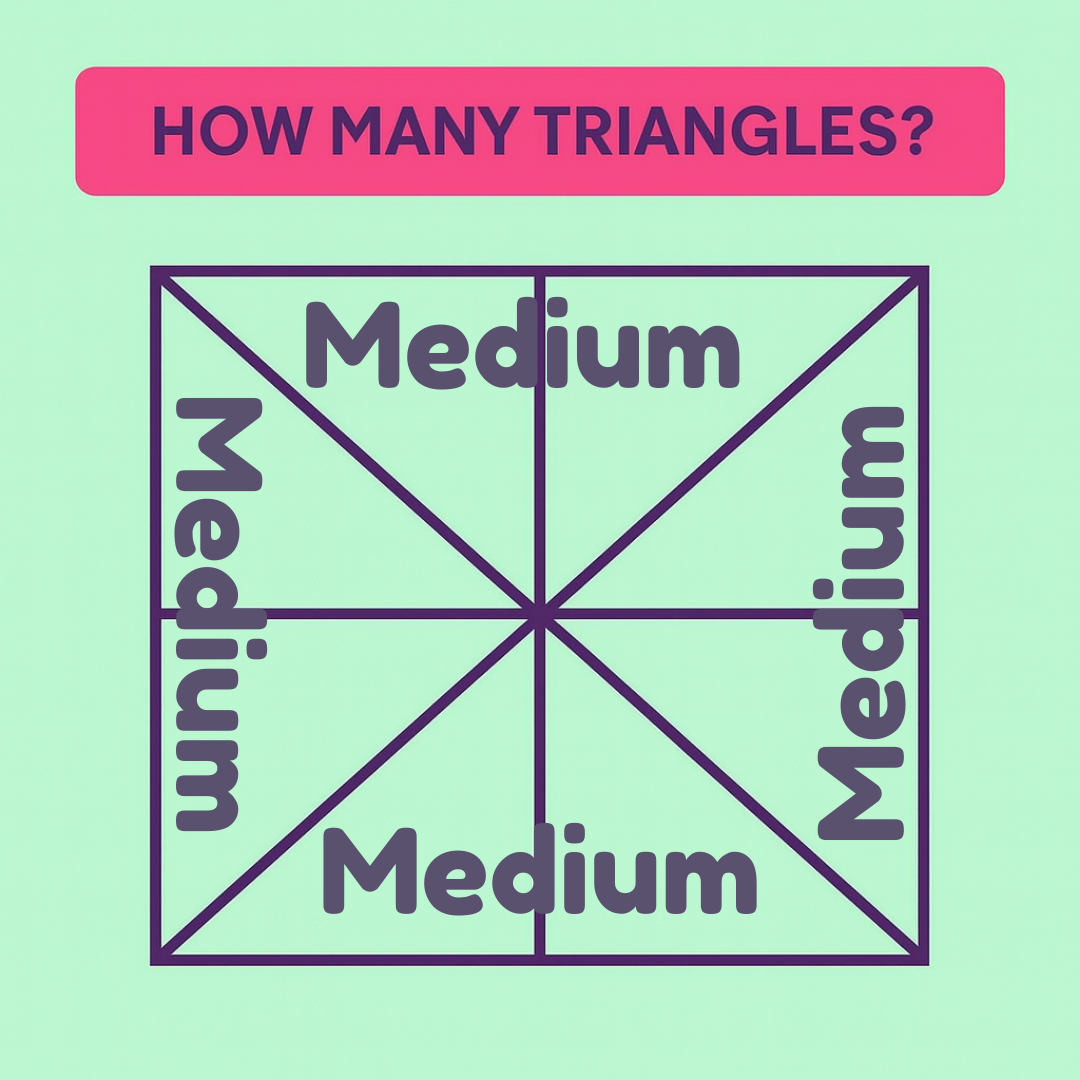
Start with the most obvious shapes. The lines inside the square divide it into clear, individual sections. Each of these sections contains small, visible triangles.

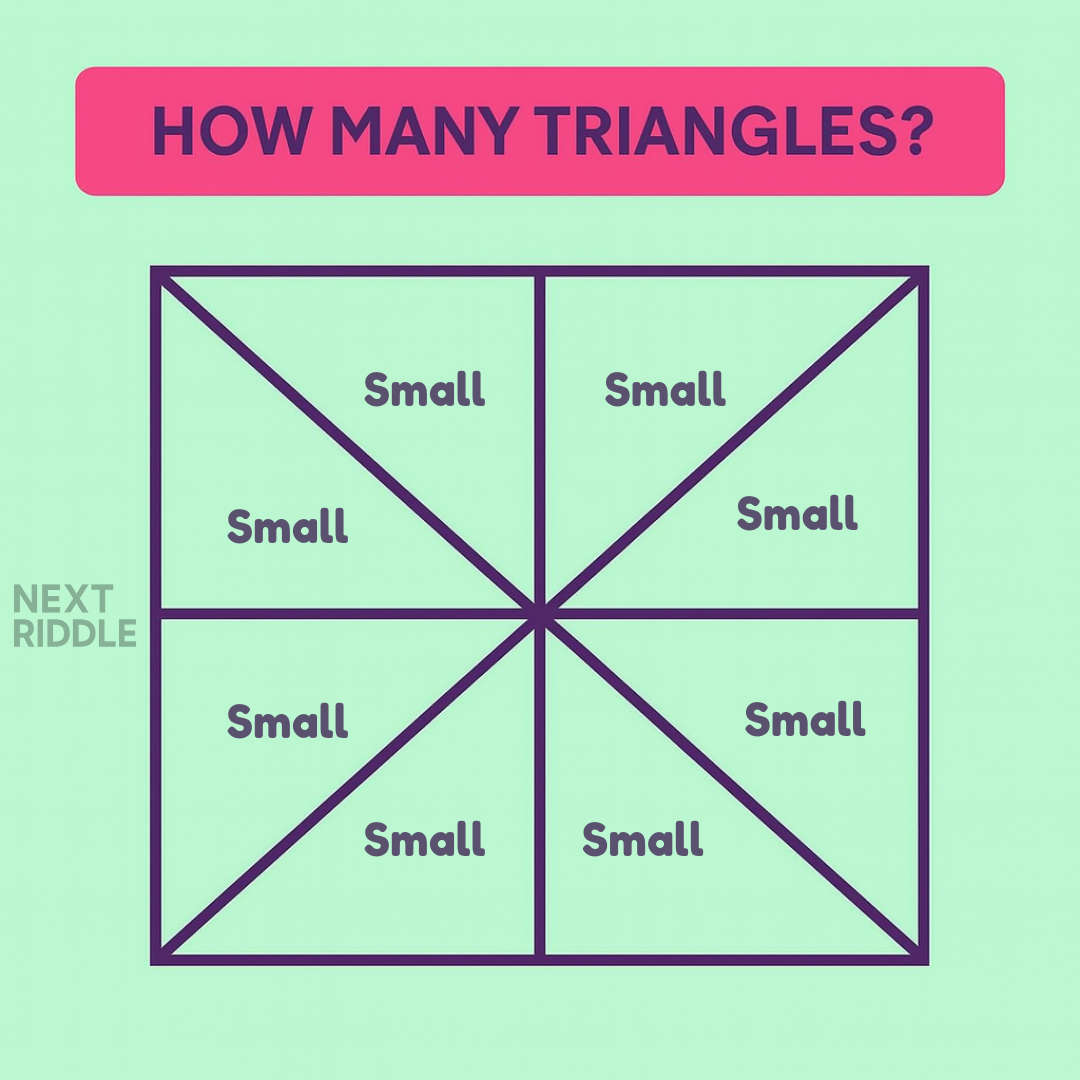
In total, there are 8 small triangles.

Most people stop here, but the puzzle is just getting started.


Step 2: Finding the Medium Triangles

Now, look for combinations. When you join two of the small triangles together, they form a larger, medium-sized triangle.

Since the puzzle is divided into four quadrants, you’ll find 4 medium triangles. These are easy to miss because they aren’t drawn explicitly — they’re hidden in the geometry.


Step 3: Spotting the Large Triangles

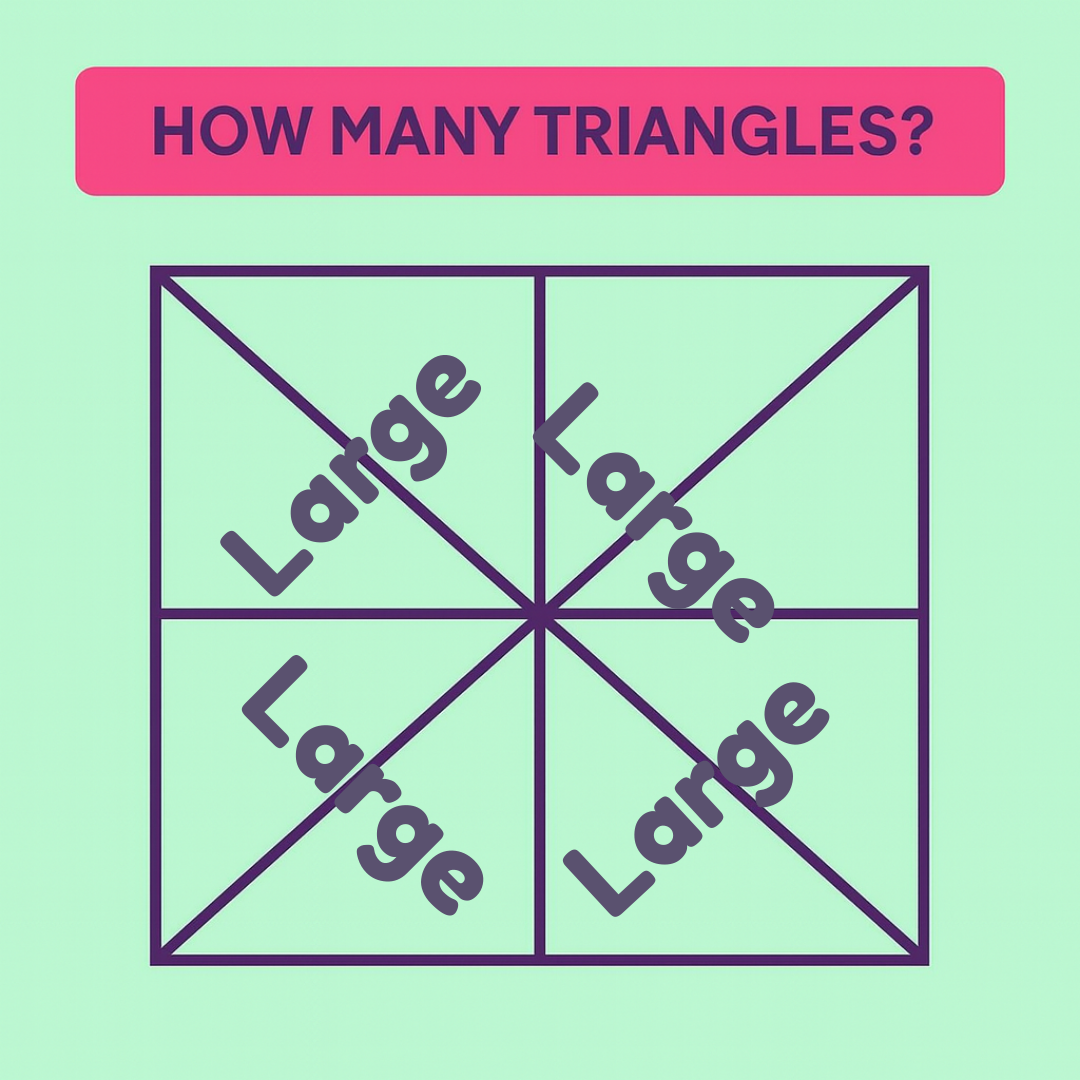
Finally, step back and look at the big picture. The outer edges of the square, combined with the intersecting lines, create even larger triangles that span across big portions of the puzzle.

If you search carefully, you’ll find 4 large triangles.


Final Total

Now let’s add them up:

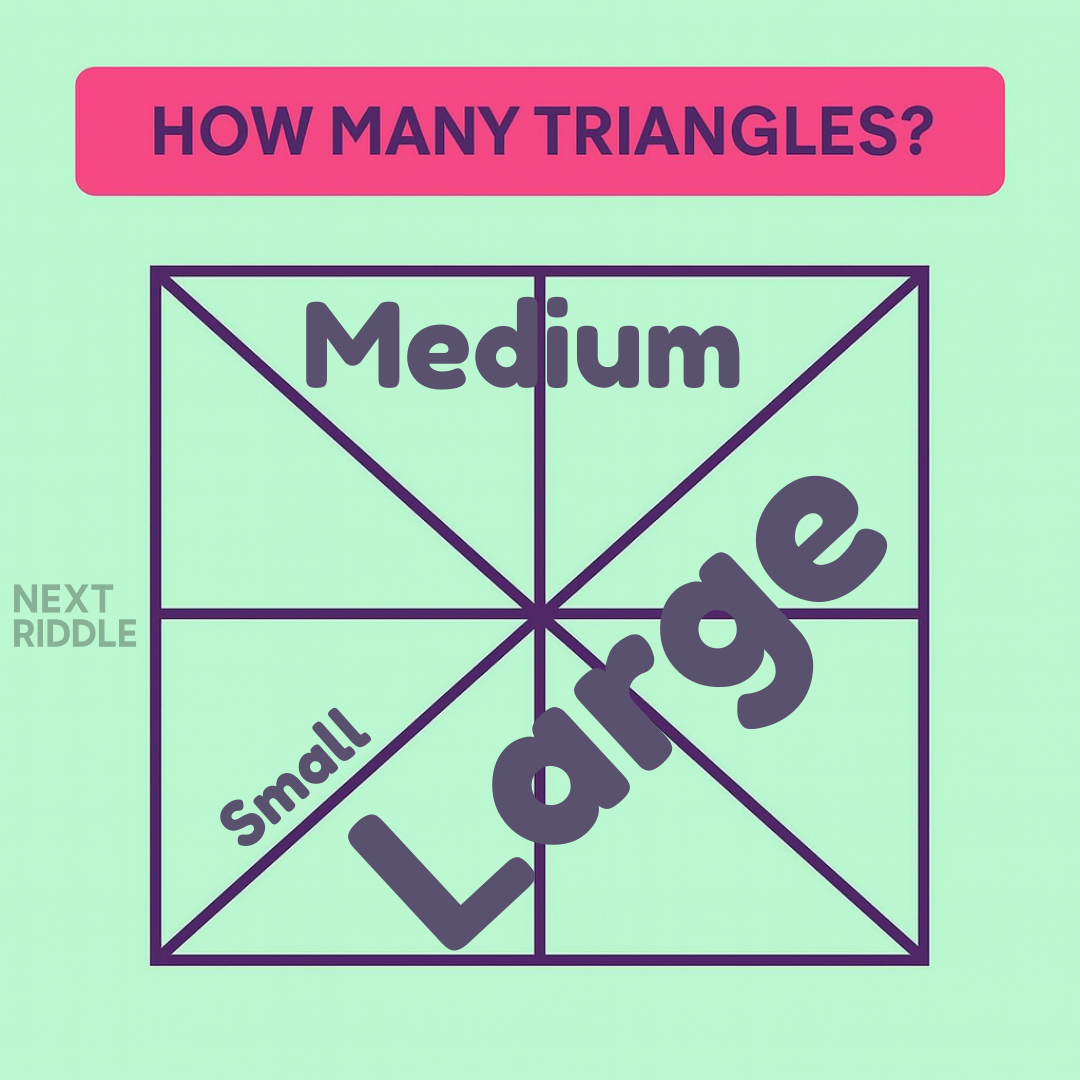
  • 8 Small Triangles
  • 4 Medium Triangles
  • 4 Large Triangles

Final Answer: 16 Triangles


Why This Puzzle Is So Addictive

The beauty of puzzles like this is their simplicity. The figure itself looks harmless, yet it sparks endless debates online. Some people count 8, others 12, some even claim 20 or more. The truth is, without slowing down and categorizing the triangles, it’s easy to miss several.

These puzzles test more than just your math — they test how closely you can observe patterns and how willing you are to look beyond the obvious.


Conclusion

So, how many triangles are in the puzzle? The correct answer is 16.

Here’s the complete solution image with all triangles highlighted and numbered so you can check your count:

Next time you see a puzzle like this, remember: the first answer you see is rarely the full story. Look deeper, and you might just surprise yourself.

70 views
0 FacebookTwitterPinterestEmail

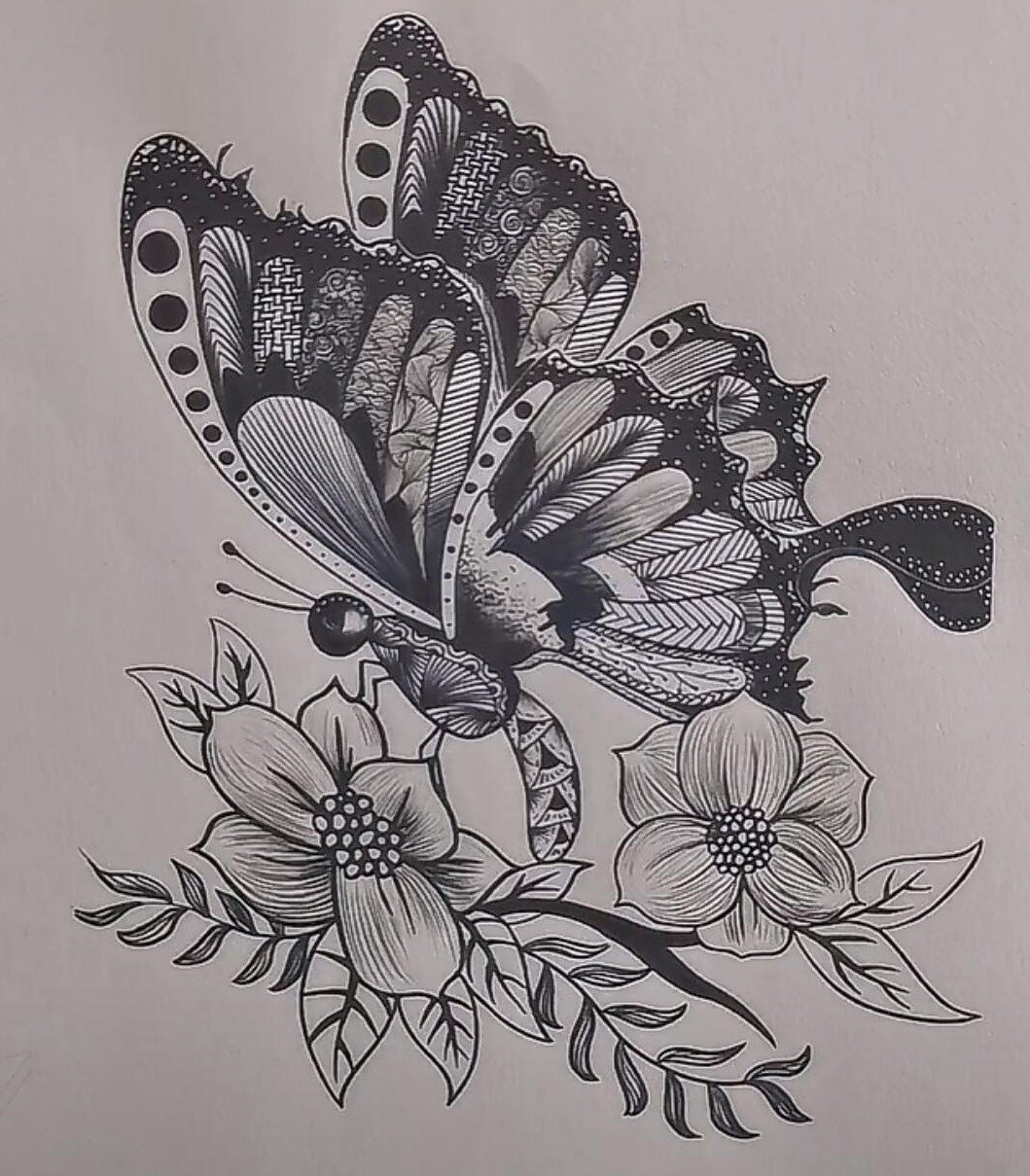
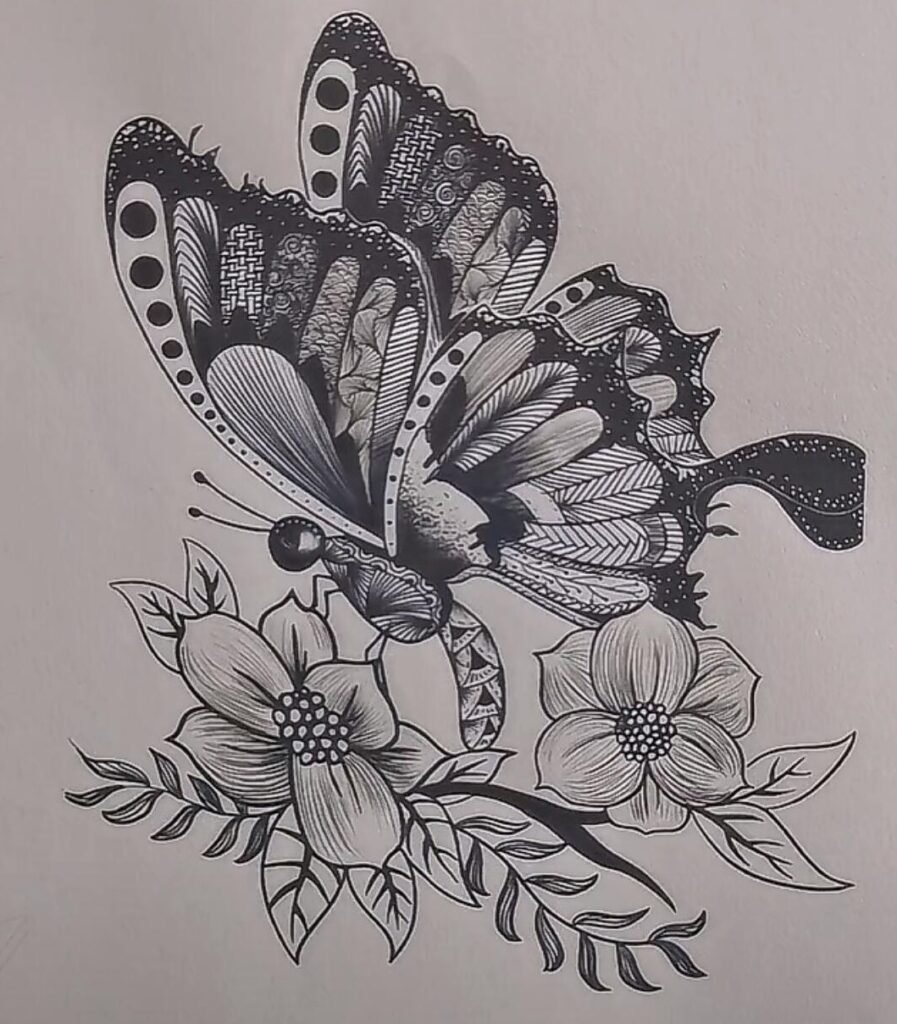
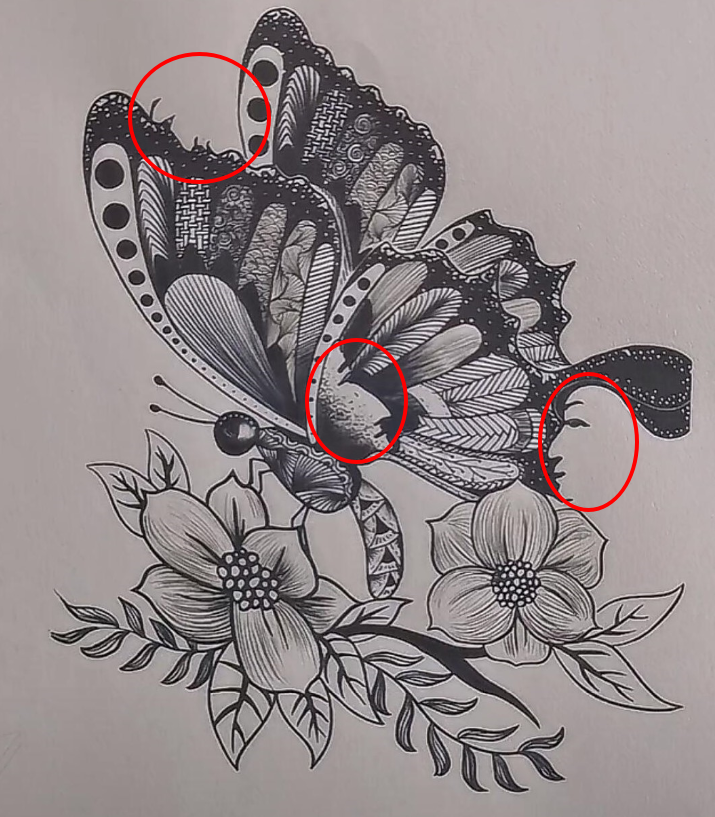
There’s something enchanting about the instant a butterfly lands on a flower. It’s a fleeting connection between two of nature’s most graceful creations—a moment of fragility and strength, of stillness and motion. In this black-and-white artwork, that moment is captured with breathtaking precision. Without color, every line, curve, and shadow takes center stage, inviting us to look closer and discover the magic hidden in the details.

A Monochrome Masterpiece

When people think of butterflies, they imagine vibrant colors—bright oranges, deep blues, dazzling yellows. Yet here, the absence of color enhances the beauty rather than diminishing it. The wings come alive with textures: woven patterns, leaf-like veins, and dotted markings that resemble constellations in a night sky. Careful shading adds depth, while fine lines bring a softness that feels almost tangible.

By removing color, the artist directs our focus to form and structure. The butterfly becomes more than an insect—it transforms into a living sculpture, a piece of architectural elegance suspended in time.

The Symbolism of the Butterfly

Across cultures, butterflies symbolize transformation, renewal, and the fleeting nature of life. From the slow crawl of the caterpillar to the stillness of the chrysalis and finally the unfurling of wings, the butterfly’s journey reminds us that change is both inevitable and beautiful.

In this piece, the intricate sections of the wings almost read like chapters of a story: woven textures suggesting struggle, sweeping curves symbolizing freedom, and open spaces embodying possibility. Its antennae stretch forward as if searching for new horizons, while its poised body suggests readiness—to linger or to take flight.

The Flowers: A Stage for Grace

Beneath the butterfly, the flowers bloom with equal care. Their petals, finely detailed, balance fragility with resilience. They serve as the foundation of the scene, anchoring the butterfly’s fleeting moment of pause.

The surrounding leaves twist and curve like dancers in motion, guiding the viewer’s gaze across the composition. Their darker shading contrasts beautifully with the lighter petals, creating balance and rhythm.

A Dance of Detail and Flow

What makes this artwork especially striking is its balance between intricate detail and graceful movement. The butterfly’s wings are rich with patterns, yet light and airy in shape. The flowers are soft and rounded, yet bold enough to command attention. This interplay of heavy and light, soft and sharp, mirrors the way nature itself thrives—in complexity and simplicity, side by side.

The scene feels alive, as though a breeze might shift a wing or stir a petal.

Why Black and White Feels So Intimate

Color can dazzle the senses, but black-and-white art reveals subtleties we might otherwise miss: the fine ridges of a wing, the gentle curve of a petal, the shadows where leaves overlap. Stripped of color, the artwork becomes timeless—unbound by trends, seasons, or eras. Beauty here is not shouted but whispered.

Balance in Composition

Every element seems intentionally placed. The butterfly’s wings stretch upward, drawing the gaze to the top, while the flowers pull it gently back down. The leaves bridge the two, ensuring the viewer’s eyes never leave the scene. This sense of natural balance reflects how the world composes itself—not in perfect symmetry, but in harmony.

Stillness and Motion Combined

The piece captures a paradox: a moment both still and alive. The butterfly is frozen, yet full of potential energy. The flowers are rooted, yet seem to lean toward their guest. This duality makes the scene compelling—it mirrors life, where stillness is rarely without movement, and movement is rarely without pause.

Conclusion: Beauty in the Quiet Moments

This illustration of a butterfly and bloom is more than a display of artistic skill—it’s a tribute to nature’s quiet wonders. Through monochrome detail and thoughtful composition, the artist has created something delicate yet powerful, fleeting yet timeless.

It reminds us to pause, look closer, and treasure the small, quiet connections that make life beautiful.

74 views
0 FacebookTwitterPinterestEmail

The Hidden Object Challenge: When Art Becomes a Puzzle

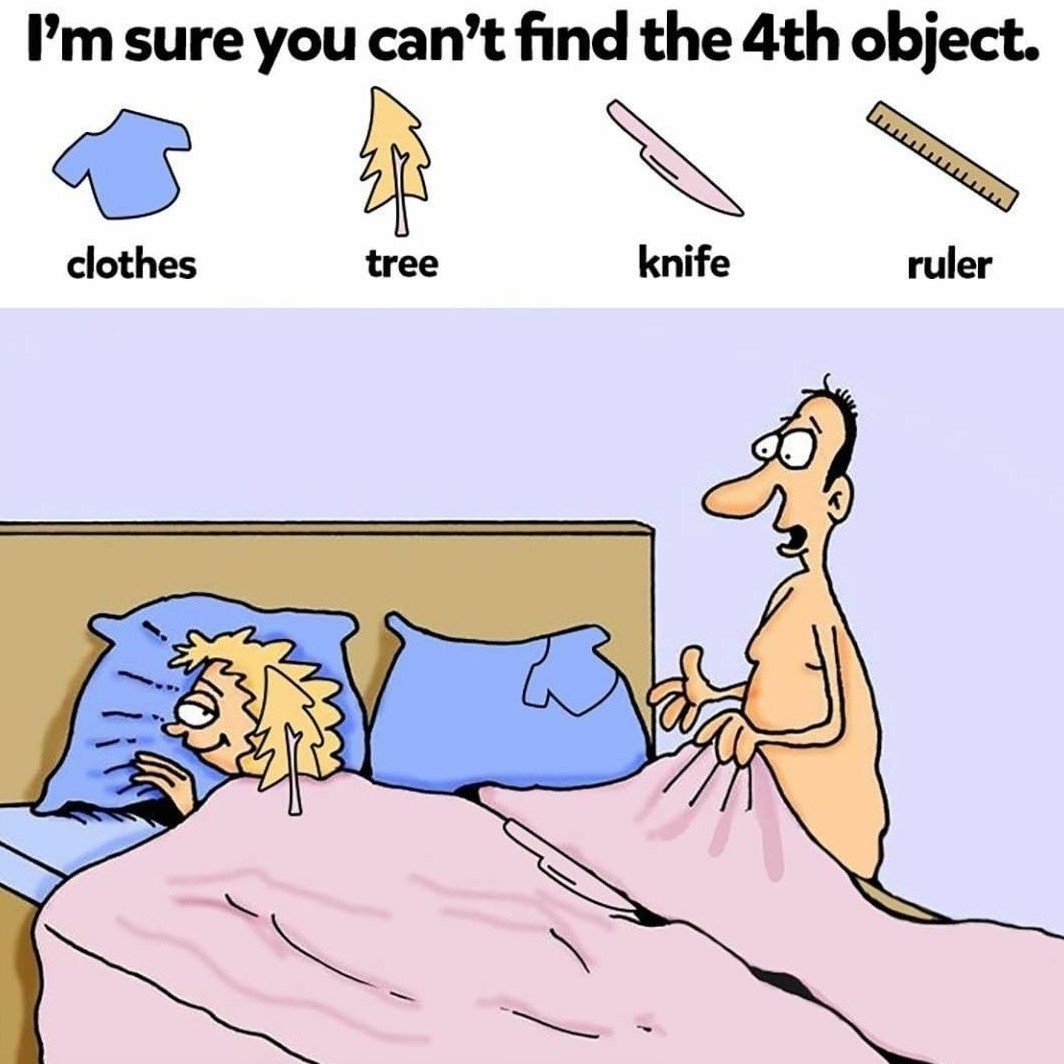
Illustrations have a special way of surprising us. Sometimes, what seems like a simple drawing hides far more than meets the eye. That’s the magic of hidden object puzzles—they blend art with curiosity, transforming a picture into a game of patience and observation. The image before us does exactly that: at first glance, it seems ordinary, but with a closer look, you’ll realize there are hidden items cleverly disguised in plain sight.


The First Glance Effect

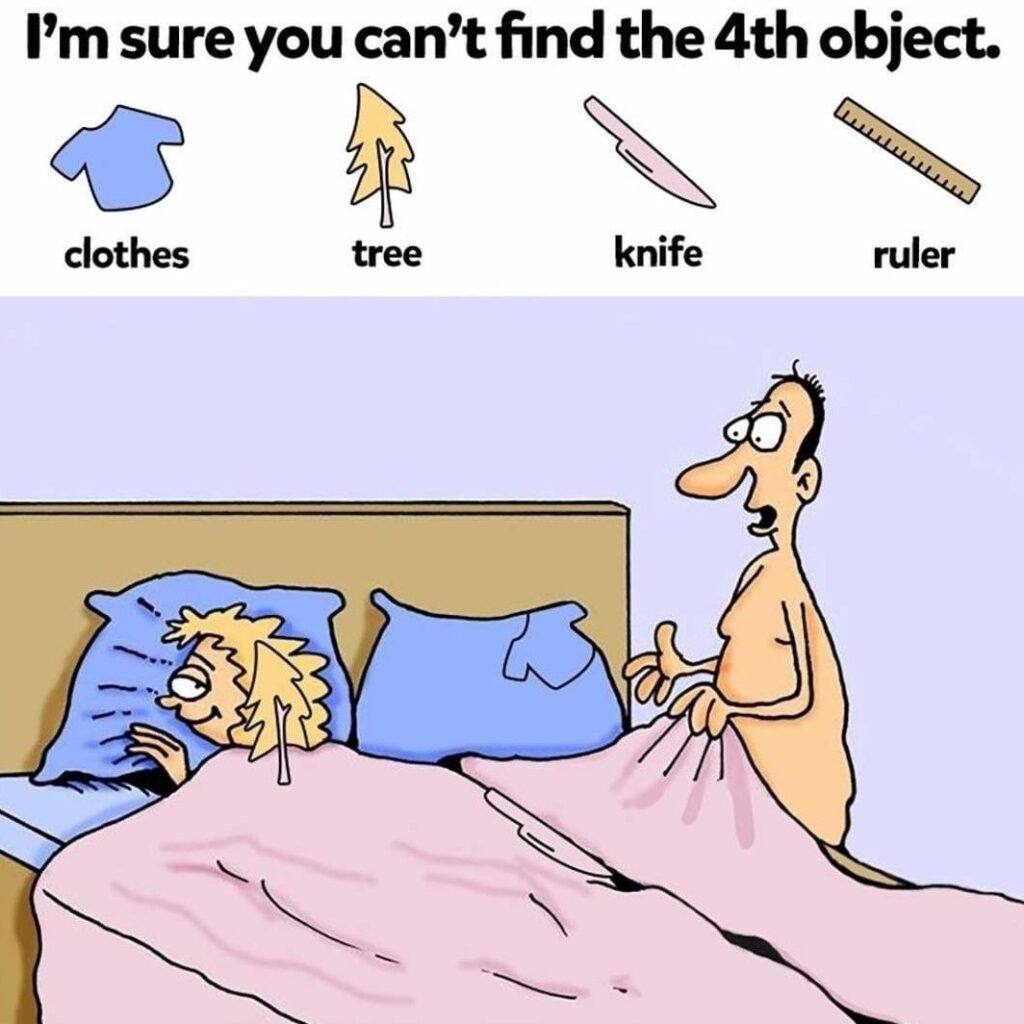
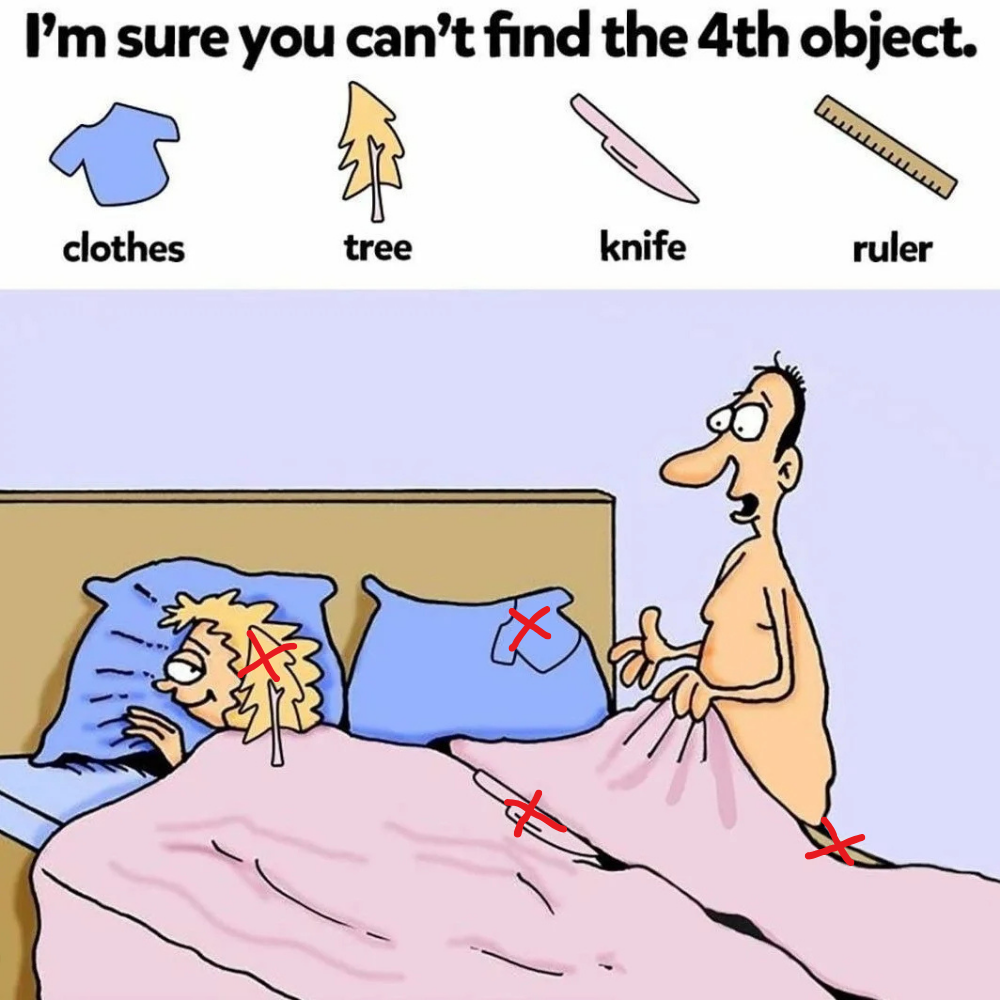
The beauty of puzzles like this lies in their immediate pull. At first, the drawing looks simple and straightforward. But as you stare longer, your eyes start to question every shape, every shadow, and every line. Suddenly, the challenge becomes clear: can you find the clothes, the tree, the knife, and the ruler hidden within?

This “second look” effect is what makes hidden object puzzles so addictive—you think you’ve seen it all, until the image starts revealing its secrets.


The Art of Concealment

What makes this type of illustration powerful is the artist’s skill at blending hidden objects into the scene without making them obvious. The knife might be disguised as part of a line, the ruler could merge into the background, and clothes or a tree might be tucked within the textures. Each item is there, but your brain has to switch from casual viewing to focused searching in order to spot them.

It’s not about tricking the viewer—it’s about encouraging sharper observation.


Why These Puzzles Work So Well

Hidden object challenges are timeless because they mix three key elements:

  1. Surprise – The moment you finally spot an item is a little victory.
  2. Exaggeration of detail – Ordinary shapes become suspicious, forcing you to see differently.
  3. Relatability – Everyone knows what clothes, a tree, a knife, and a ruler look like. The fun lies in spotting the familiar in unfamiliar places.

Visual Simplicity, Maximum Challenge

The background of puzzles like this is often kept simple, so your focus is on the hunt. With fewer distractions, the hidden objects feel even more satisfying to find. The simplicity ensures the puzzle is clear, while the clever concealment keeps it challenging.


The Reveal: Did You Find Them All?

Now that you’ve spent time searching, the solution is simple: all four objects are right there in the picture. Some are easier, some harder, but none are impossible if you look closely.

If you managed to spot them all before checking the solution, congratulations—you’ve got a sharp eye!


Conclusion: The Joy of Looking Twice

This puzzle is more than just a visual trick—it’s a reminder of how much detail can hide in plain sight. By slowing down, focusing, and searching, we uncover what’s right in front of us.

That’s the true fun of hidden object art: it turns a simple picture into an adventure of discovery.

106 views
0 FacebookTwitterPinterestEmail
  • 1
  • 2

Next Riddle

Spot-the-difference, hidden objects, optical illusions, and artistic puzzles that rely on sharp eyes and attention to detail.

Newsletter

Subscribe my Newsletter for new blog posts, tips & new photos. Let's stay updated!

2025 All Right Reserved.